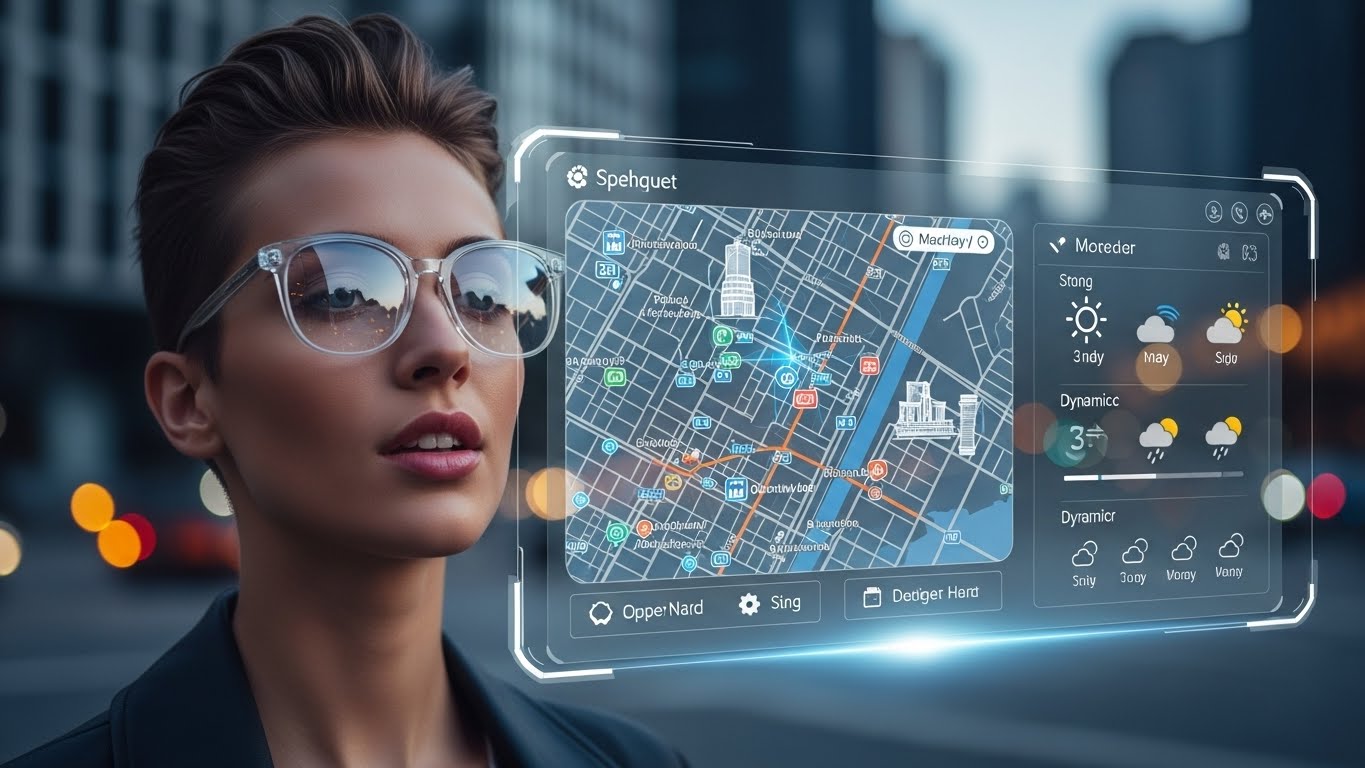
For nearly two decades, the smartphone has been the center of our digital universe. But as Augmented Reality (AR) chips become smaller and AI integration becomes more seamless, we are approaching a “Post-Smartphone Era.” What if Smart Glasses replace smartphones by 2028? Imagine a world where your screen is no longer in your pocket, but layered directly onto your field of vision. This shift would redefine “presence” and potentially kill the physical interface as we know it.
1. The Death of the “Screen in Your Hand”
The smartphone requires us to look down, disconnecting us from our surroundings. Smart Glasses (like future versions of Meta Ray-Bans or Apple Vision Pro) promise a “Heads-Up” lifestyle.
- Ambient Computing: Information like navigation, messages, and AI-identified faces will float in the air around you.
- The “Invisible” Device: By 2028, these glasses will look like normal eyewear, not bulky headsets, thanks to micro-LED and waveguide technology.
2. The “What If” Scenario: Living in an Augmented Reality World
A. The End of “Digital Distraction” or Constant Overload?
- Contextual Notifications: What if your glasses only show you information when you need it? (e.g., showing a person’s name as they approach you).
- The Attention War: The flip side is a world where ads are literally impossible to look away from. Imagine digital billboards that follow your gaze.
B. Social Dynamics: The Death of Eye Contact?
- The Recording Paradox: If everyone is wearing glasses with cameras, privacy in public vanishes. Every conversation could be recorded or analyzed by AI in real-time.
- Shared Realities: You and a friend could watch a virtual movie on a blank wall, seeing the same high-definition screen that doesn’t actually exist in the physical world.
C. The Economic Shift: Bye-Bye Hardware
- The TV and Monitor Collapse: If your glasses can project a 100-inch virtual screen anywhere, why buy a physical TV?
- App Ecosystem Evolution: Developers will shift from building “Apps” to building “Experiences” that interact with physical objects.
The Loss of the “Off” Switch
“In my opinion, replacing the phone with glasses is a terrifying convenience. From TechWhatIf’s perspective, the smartphone at least has a ‘pocket’—a place where it goes when we want to be present. Smart Glasses are always on, always watching, and always ‘between’ you and the person you are looking at. My concern is that we will stop seeing the world for what it is and only see the data-layer we’ve put over it. Are we ready to live in a world where we can never truly ‘unplug’ because our eyes are the interface?”
Recommended Reading
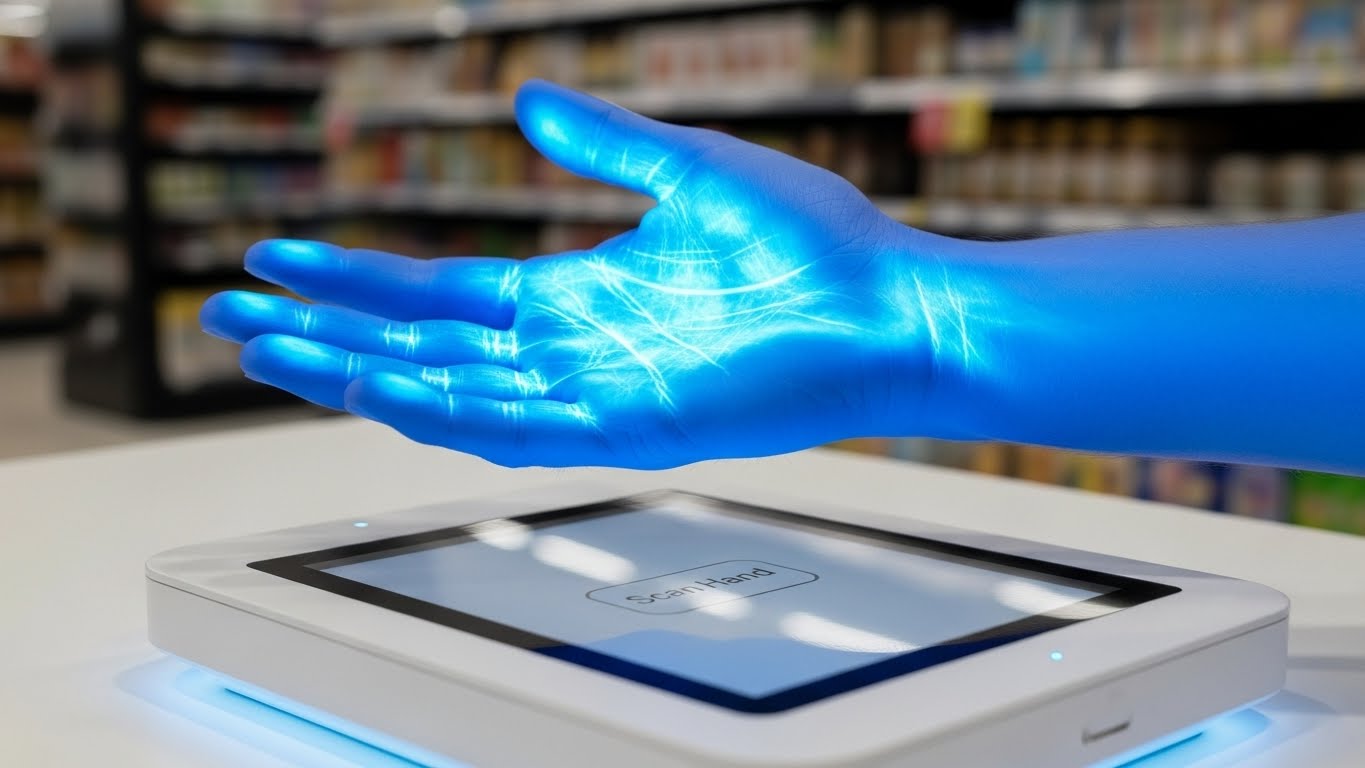
As our glasses start analyzing everyone we see, the way we protect our digital identity becomes vital. Read our analysis on What If Passwords Become Obsolete by 2027? to understand how biometric security will fit into our wearable future.
Note: This is a speculative ‘What If’ analysis and not tech or investment advice. The adoption of wearable tech depends on battery life and social acceptance; always perform your own research.