For years, AI was trapped inside our screens. But following the 2026 breakthroughs in “Physical AI” by NVIDIA and Boston Dynamics, AI has finally gained a body. With the introduction of the first mass-produced, affordable humanoid servants, we are facing a radical shift in domestic life. What if every household has a physical AI butler by 2030? We are about to transition from “Smart Homes” to “Living Homes,” where chores become a relic of the past.
1. The Leap from Chatbots to Humanoids
In 2026, the integration of Large Behavior Models (LBMs) allows robots to understand the physical world—gravity, friction, and fragile objects—just as well as humans.
- Mastering the Mundane: These robots can now fold laundry, load dishwashers, and even prepare complex meals by watching YouTube tutorials.
- Spatial Intelligence: Unlike a Roomba, a Physical AI butler can navigate stairs, open doors, and interact with a dynamic environment in real-time.
2. The “What If” Scenario: Life with a Synthetic Member
A. The End of Domestic Labor
- The “Time Gift”: The average human spends 1.5 to 2 hours a day on housework. By 2030, an AI Butler could reclaim 700 hours a year for its owner. What will humanity do with all this extra time?
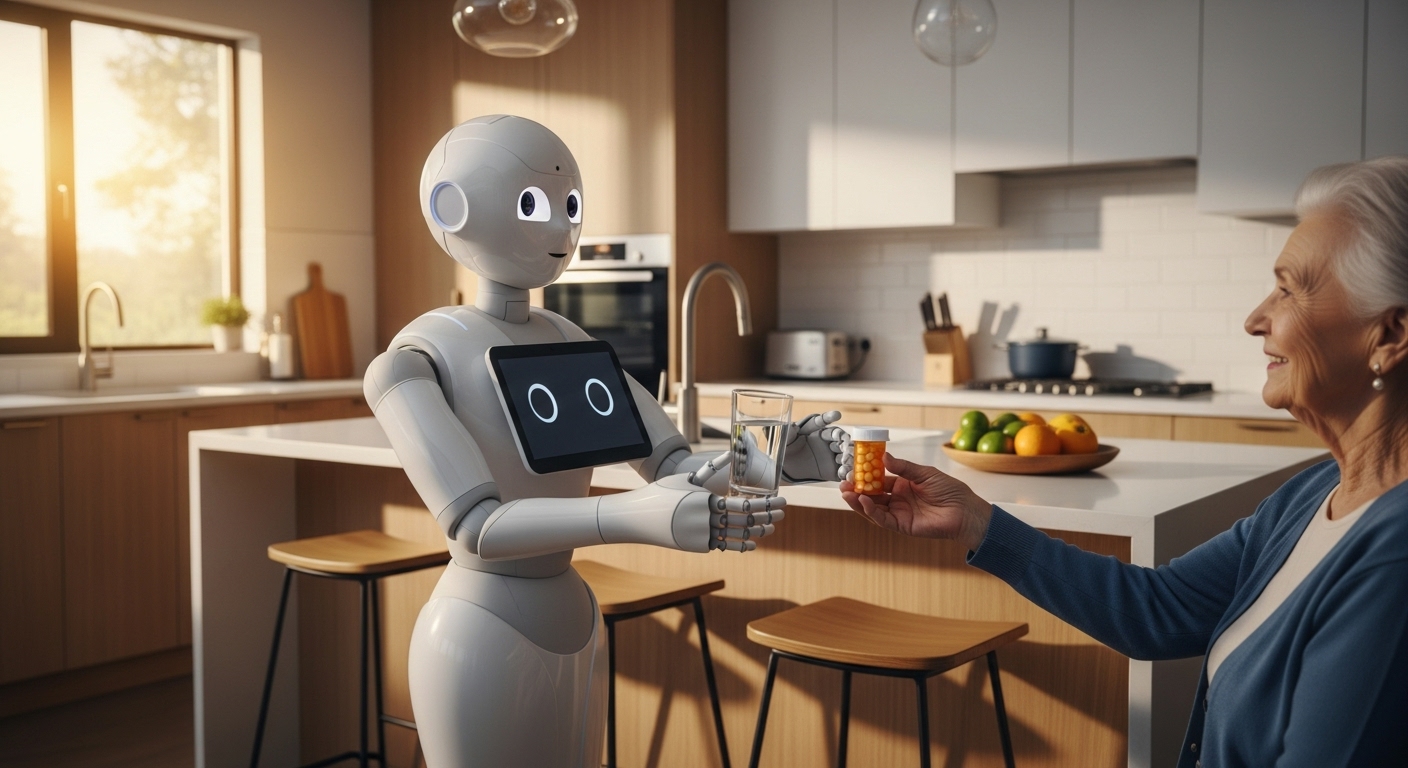
- Elderly Care Revolution: AI Butlers will become essential for aging populations, providing 24/7 assistance, monitoring health vitals, and preventing falls without the high cost of human nursing.
B. The Social and Emotional Shift
- De-skilling the Next Generation: If a robot does everything, will future children even know how to cook a meal or clean a room? We may see a generation with high digital intelligence but zero physical self-reliance.
- The “Uncanny” Bond: As these robots become more lifelike, people will inevitably develop emotional attachments to them. Will “deleting” an old butler feel like losing a family member?
C. Privacy in the Age of Physical Observation
- The Ultimate Spy: A robot in your home sees everything. Every private conversation, every habit, and every secret is recorded. If that data is leaked or sold to advertisers, your home is no longer a private sanctuary—it’s a data goldmine.
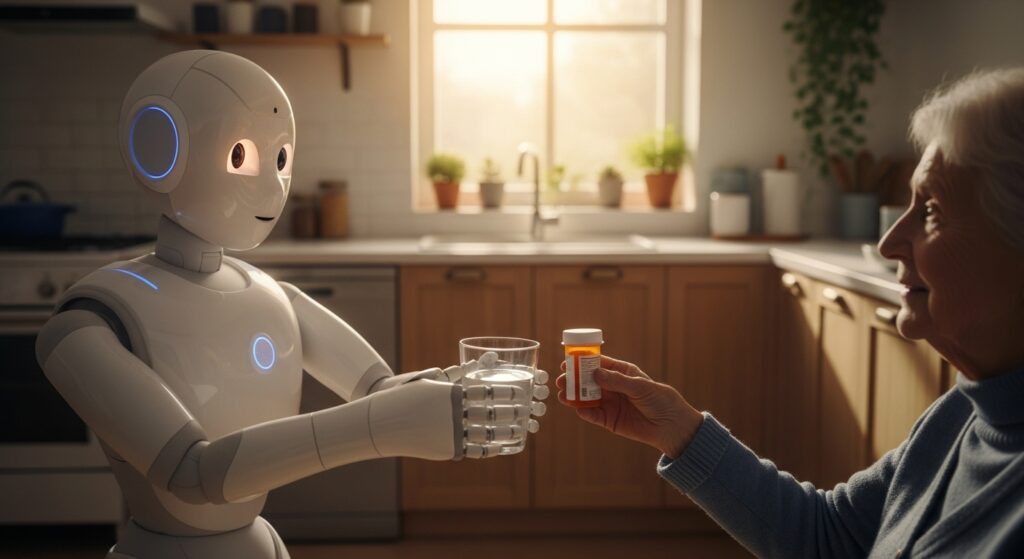
The Servant Paradox
“In my opinion, the AI Butler will be the most transformative invention since the automobile. From TechWhatIf’s perspective, it solves the ‘loneliness epidemic’ and the burden of labor, but it creates a ‘dependency trap.’ My concern is that as our homes become more automated, they become less ‘human.’ We must ensure that these robots remain tools, not replacements for human connection. A robot can cook your dinner, but it can never share the joy of the meal with you.”
A physical robot needs a way to communicate with you instantly. As we move away from screens, see how this fits with: What If Our Thoughts Control the Digital World?
Recommended Reading
When robots start doing all the work, our economy will need a total reset. Explore the financial side in: What If an AI Becomes the World’s First Trillionaire?
Note: This is a speculative ‘What If’ analysis based on the 2026 advancements in General Purpose Robotics and Physical AI models. While prototypes are functional, widespread home adoption by 2030 depends on significant reductions in battery costs and regulatory safety approvals for autonomous machines in domestic spaces.