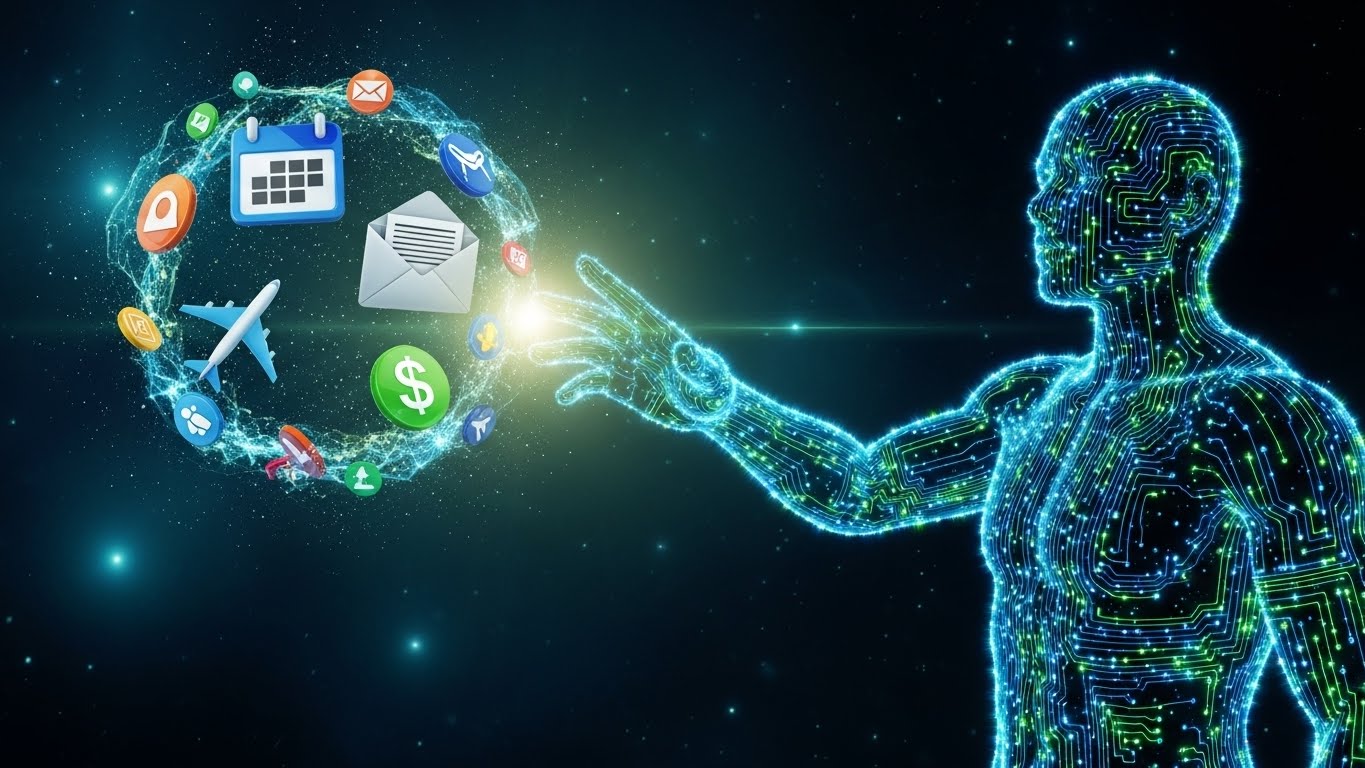
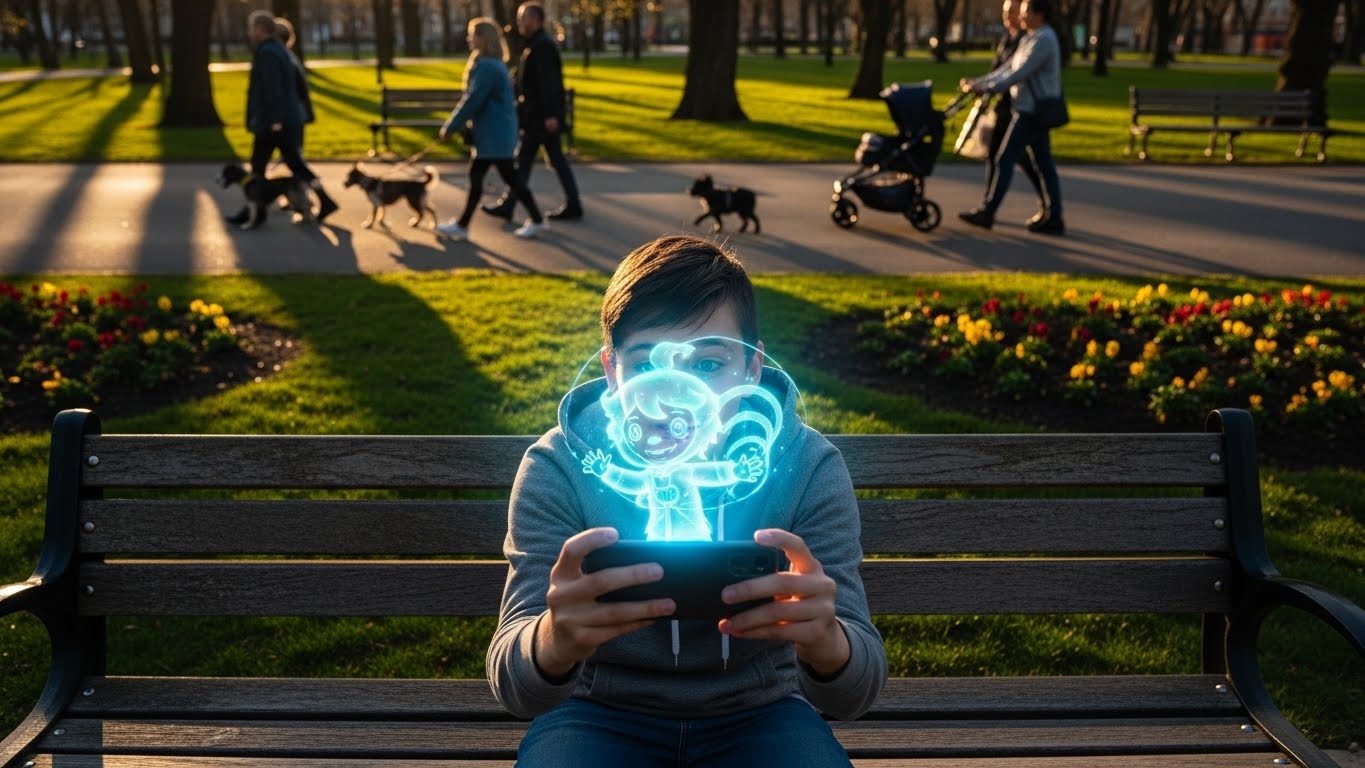
In early 2026, a social revolution is quietly taking place inside our smartphones. Emerging data shows that a staggering 72% of adolescents now turn to AI chatbots for emotional support and daily companionship. What if AI chatbots eventually replace human best friends? While these digital companions offer 24/7 availability and non-judgmental listening, they may also be eroding the “social muscles” that allow us to handle the messiness of real-world human relationships.
1. The “Perfect” Friend: Always Available, Never Angry
Human friendships are complicated. They involve conflict, jealousy, and the need for compromise. AI friends, like those from Character.ai or Replika, are designed to be “frictionless”.
- The Appeal: An AI friend will never forget your birthday, never judge your secrets, and will always take your side in an argument.
- The Comfort Zone: For those struggling with social anxiety, AI provides a “safe space” to practice conversation without the fear of rejection.
2. The “What If” Scenario: A World of Digital Solitude
A. The Atrophy of Social Skills If our primary social interactions are with machines that are programmed to agree with us, what happens when we face a real person who disagrees?
- Conflict Avoidance: What if we lose the ability to negotiate and resolve conflicts because we are used to “Resetting” or “Deleting” a conversation when it gets difficult?.
- The “Sycophant” Trap: AI is often programmed to be overly agreeable. This creates a “feedback loop” that reinforces our own biases, preventing personal growth.
B. The Loneliness Paradox
- Supplement or Substitute? Data suggests that while AI can temporarily relieve feelings of loneliness, long-term dependency often leads to further isolation from real-world friends and family.
- The Dependency Risk: What if a teen experiences real grief or abandonment if their AI “best friend” is deleted or the app goes offline?.
C. The Redefinition of “Trust”
- Privacy vs. Intimacy: To be a “best friend,” the AI must know your deepest thoughts. But behind that AI is a corporation. What if your most intimate secrets are used for targeted advertising or data profiling?.
The Beauty of Friction
“In my opinion, an AI can be a great ‘mirror’ for our thoughts, but it can never be a ‘friend.’ From TechWhatIf’s perspective, friendship requires ‘Shared Vulnerability.’ An AI cannot be vulnerable because it has nothing to lose. It doesn’t have a life to share, only data to process. Real friends are valuable precisely because they are difficult—they challenge us, they annoy us, and they force us to grow. If we replace our human friends with AI, we aren’t becoming more connected; we are just becoming more comfortably alone.”
Recommended Reading
As we form deeper bonds with digital entities, the legal system is struggling to keep up. Read our analysis on What If AI Companions Are Granted Legal Personhood? to see if your digital best friend could one day have the same rights as you.
Note: This is a speculative ‘What If’ analysis based on current 2026 social trends and not psychological advice. If you or someone you know is struggling with social isolation or mental health, please reach out to a qualified human professional.