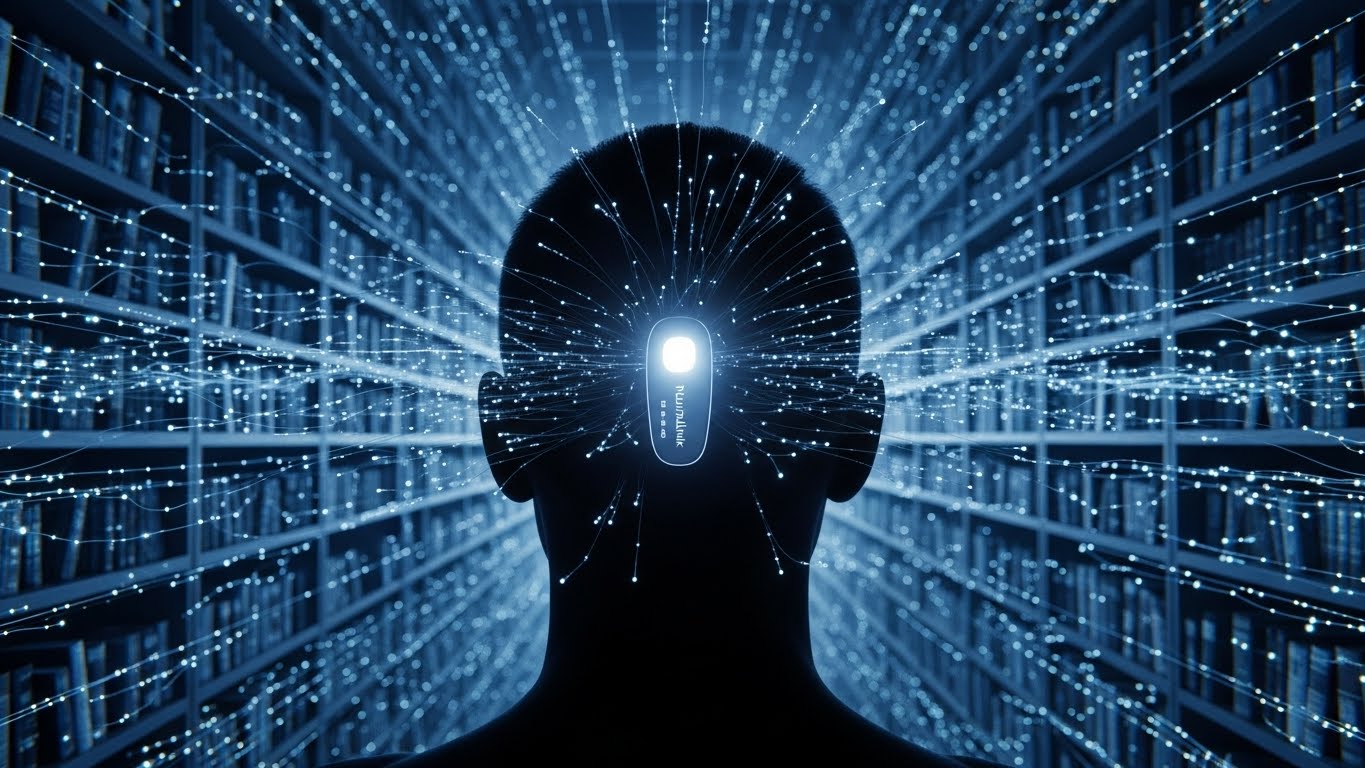
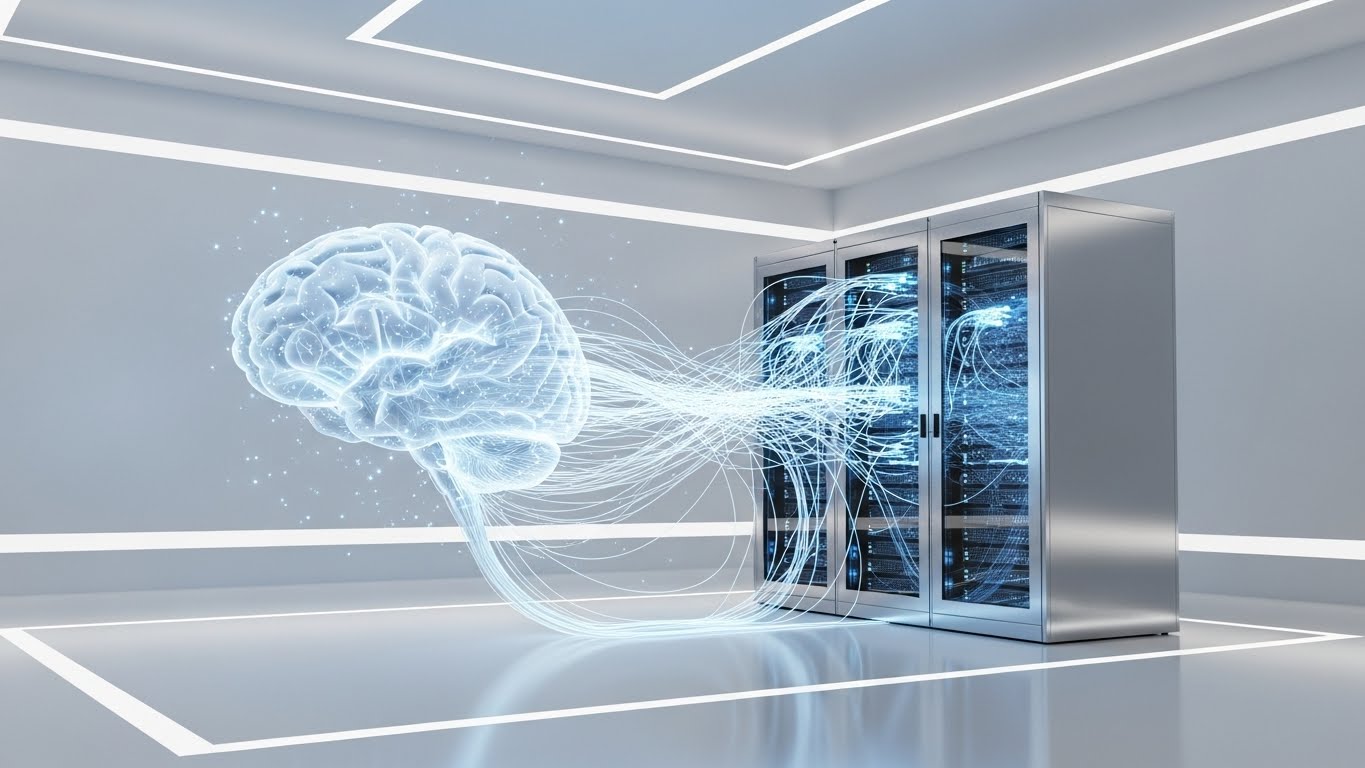
The human brain is the most complex storage device in the universe, holding a lifetime of experiences, skills, and emotions. But it is fragile. As of January 2026, advancements in Neuralink and high-fidelity brain mapping have sparked a profound question: What if we could upload our memories to the cloud? This technology could offer a cure for Alzheimer’s or even a path to digital immortality—but it also risks turning our souls into subscription-based data.
1. From Wetware to Software: The Mapping of the Mind
The process begins with “Whole Brain Emulation” (WBE). By mapping every neuron and synapse, scientists believe we can translate our “consciousness” into code.
- The “Backup” Drive: Imagine being able to “save” your skills—like playing the piano or speaking Khmer—and downloading them into a new interface if your biological memory fades.
- Legacy Mode: Families could interact with “Digital Avatars” of deceased loved ones, powered by their actual uploaded memories and personality traits.
2. The “What If” Scenario: The Post-Biological Era
A. The End of Grief and Loss If your grandmother’s memories are stored on a secure server, is she truly gone?
- Digital Immortality: We might see the rise of “Server Cemeteries” where the consciousness of millions lives on in a virtual simulation.
- Knowledge Transfer: Why spend 20 years in school when you can “upload” the collective memories and expertise of the world’s greatest scientists directly into your mind?
B. The Security of the Soul: Hacking Consciousness
- Memory Manipulation: If memories are just data files, they can be edited. What if a government or corporation “deletes” a traumatic event or “inserts” a false memory to change your political views?
- Ransomware for the Mind: Imagine a hacker locking your “Digital Life” and demanding a ransom. If you don’t pay, your entire history—your identity—is deleted forever.
C. The Philosophical Crisis
- The “Copy” Problem: If you upload your mind to the cloud, is that actually you? Or is it just a perfect digital copy while the “real you” still faces biological death?
- Inequality of Afterlife: Will only the 1% be able to afford the cloud storage for immortality, while the rest of humanity is “deleted” by time?
The Weight of Forgetting
“In my opinion, the beauty of being human lies in our fragility. From TechWhatIf’s perspective, memories are precious because they are tied to a specific time and place. If we can simply ‘upload’ and ‘edit’ our lives, we lose the weight of our experiences. Forgetting is a natural part of healing. If we remember everything perfectly forever, we might find that the digital ‘afterlife’ is a static, unchanging prison. Sometimes, the most important part of a story is that it has an end.”
Recommended Reading
As we move our minds into the cloud, our physical world is becoming equally automated. Read our analysis on What If an AI Becomes the World’s First Trillionaire? to see how non-biological entities are already beginning to dominate the global economy.
Note: This is a speculative ‘What If’ analysis based on current 2026 trends in neurotechnology. Whole Brain Emulation remains an experimental field; always consult with ethical and medical experts regarding neural implants.