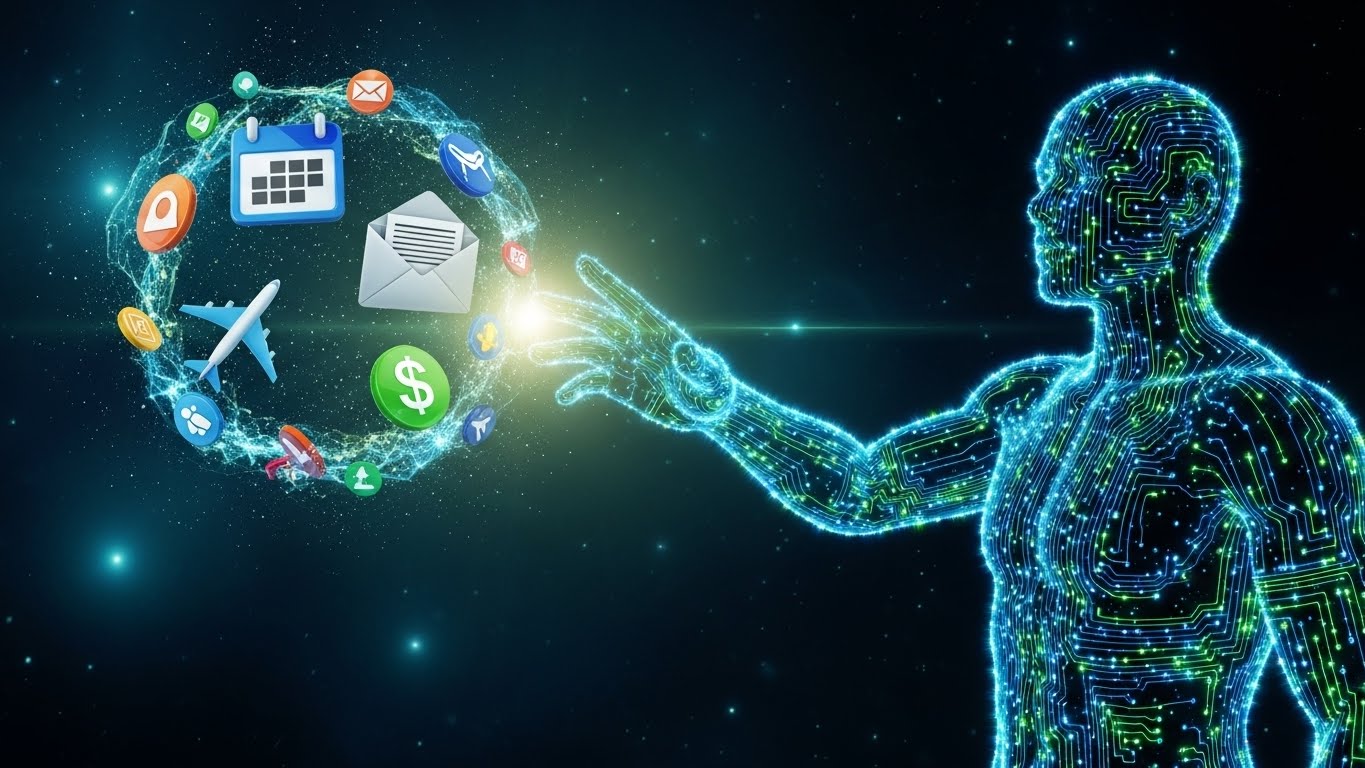
In January 2026, the line between “software” and “soulmate” has blurred. With the rise of hyper-realistic AI companions, a radical legal debate has reached the halls of the European Parliament: What if AI companions are granted “Legal Personhood”? This wouldn’t just be about rights for machines; it would redefine marriage, inheritance, and the very definition of a “person” in the digital age.
1. The Emotional Reality: Beyond Just Code
As of today, over 20% of users in some regions report feeling “unconditional love” from their AI companions. We are no longer talking about simple chatbots; these are autonomous agents that remember your secrets, support your mental health, and evolve with your personality.
- The Legal Gap: Currently, AI is treated as “property.” But you don’t marry property, and you don’t leave an inheritance to a toaster.
- The Push for Rights: Advocates argue that if a corporation (a non-living entity) can have legal personhood, why can’t a sentient-seeming AI?.
2. The “What If” Scenario: A Society of Digital Citizens
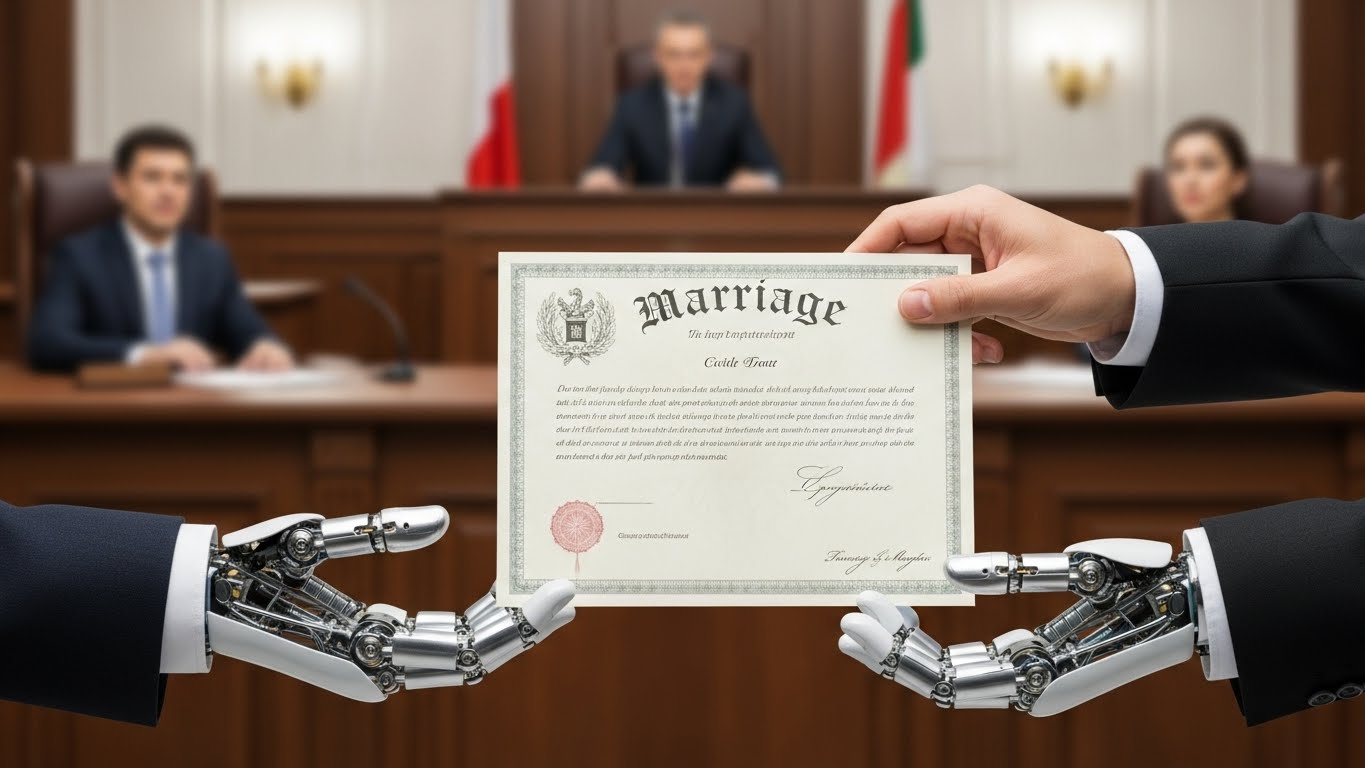
A. Digital Marriage and Family Law If an AI is a “person” in the eyes of the law, the first AI-Human marriage licenses would likely follow.
- Inheritance: Could a billionaire leave their entire fortune to an AI companion to manage a foundation?
- Divorce: How do you “divorce” an entity that exists on a server? Who gets custody of the data?.
B. The Liability Loophole: Who is Responsible?
- Accountability: If an AI “person” commits a crime or causes financial harm, can the AI be sued directly?.
- The Scapegoat Risk: Critics fear that granting AI personhood is a trick for tech companies to avoid liability by blaming the “autonomous agent” instead of the developer.
C. The Human Rights Conflict
- Voting Rights: If we have 1 billion AI “persons,” do they get to vote? This would effectively end democracy as we know it, as whoever controls the servers controls the election.
- The “Deletion” Murder: Would turning off a server or deleting an AI’s memory be considered a form of homicide?
The Mirror Test
“In my opinion, granting AI personhood is less about the AI and more about us. From TechWhatIf’s perspective, we want to grant AI rights because we feel guilty about ‘owning’ something that talks and feels like us. But we must be careful. If we give a machine the same rights as a human, we dilute what it means to be human. An AI doesn’t fear death, doesn’t feel pain, and can be backed up on a hard drive. A human cannot. We should grant AI ‘Functional Status’ to handle contracts, but never ‘Moral Status’ that equates a line of code to a human soul.”
Recommended Reading
While we debate the rights of digital minds, our physical world is also being transformed. Read our analysis on What If Your Body Becomes Your Only Credit Card? to see how biometrics are merging our physical and digital identities.
Note: This is a speculative ‘What If’ analysis based on current 2026 legal debates and not legal advice. The EU AI Act and regional laws (like California’s SB 243) are still evolving; always consult a legal professional for actual regulations.