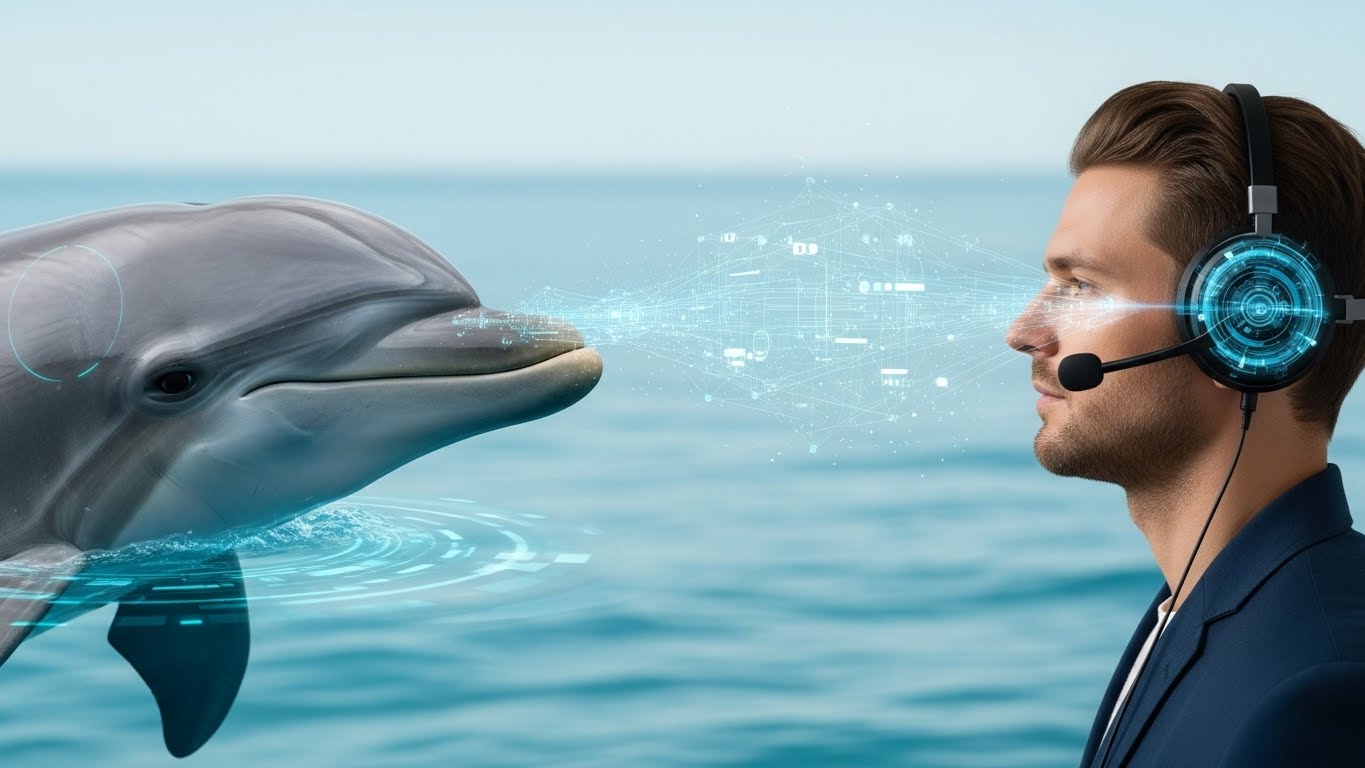
For millennia, the barrier between human and animal communication seemed insurmountable. But as of 2026, projects like the Earth Species Project and CETI are using advanced AI and Large Language Models (LLMs) to map the patterns of non-human sounds. What if we can finally decode and speak back to animals by 2030? This breakthrough would fundamentally change our relationship with nature, the food industry, and our understanding of consciousness itself.
1. From Sound to Syntax: The AI Rosetta Stone
Humans have always tried to understand animals, but we were limited by our own linguistic bias. Modern AI doesn’t need to “know” what a whale or a bee is thinking; it simply analyzes billions of data points to find recurring patterns in frequency and context. What if these patterns are more complex than our own languages? By 2027, “Interspecies Translators” could become as common as Google Translate, turning a dog’s bark or a whale’s song into human-readable intent.
2. The “What If” Scenario: A World of Interspecies Dialogue
A. The Pet Revolution: “I’m Not Just Hungry” Imagine your cat or dog using a device to express specific emotional needs or physical pain.
- Enhanced Care: We could diagnose illnesses before they become terminal simply by “listening” to the animal’s biometric-linked vocalizations.
- The Loss of Mystery: Would we still enjoy the company of our pets if they could criticize our lifestyle or express constant boredom?
B. The Industrial & Ethical Crisis The most uncomfortable “What If” involves our food systems.
- The End of Factory Farming: If a cow can clearly express fear or plead for its life in a language we understand, the global meat industry would face an unprecedented moral collapse.
- Legal Personhood: If animals can communicate intent and self-awareness, do they deserve the same legal rights as humans? This would trigger the largest legal shift in human history.
C. Conservation and Conflict Resolution
- Negotiating with Nature: What if we could tell elephants to stay away from a village’s crops without using violence? Or ask whales about the state of the deep ocean’s health?
- Environmental Insights: Animals are the ultimate sensors; their collective data could give us early warnings for earthquakes or climate shifts that our tech cannot yet detect.
A Lesson in Humility
“In my opinion, talking to animals will be the most humbling experience in human history. From TechWhatIf’s perspective, we have spent centuries assuming we are the ‘smartest’ because we have the loudest voices. But what if we find out that whales have more complex histories than ours, or that bees are better at mathematics? My biggest fear is that we will use this technology to ‘command’ animals rather than ‘listen’ to them. True communication requires two-way respect, not just a translation app.”
Recommended Reading
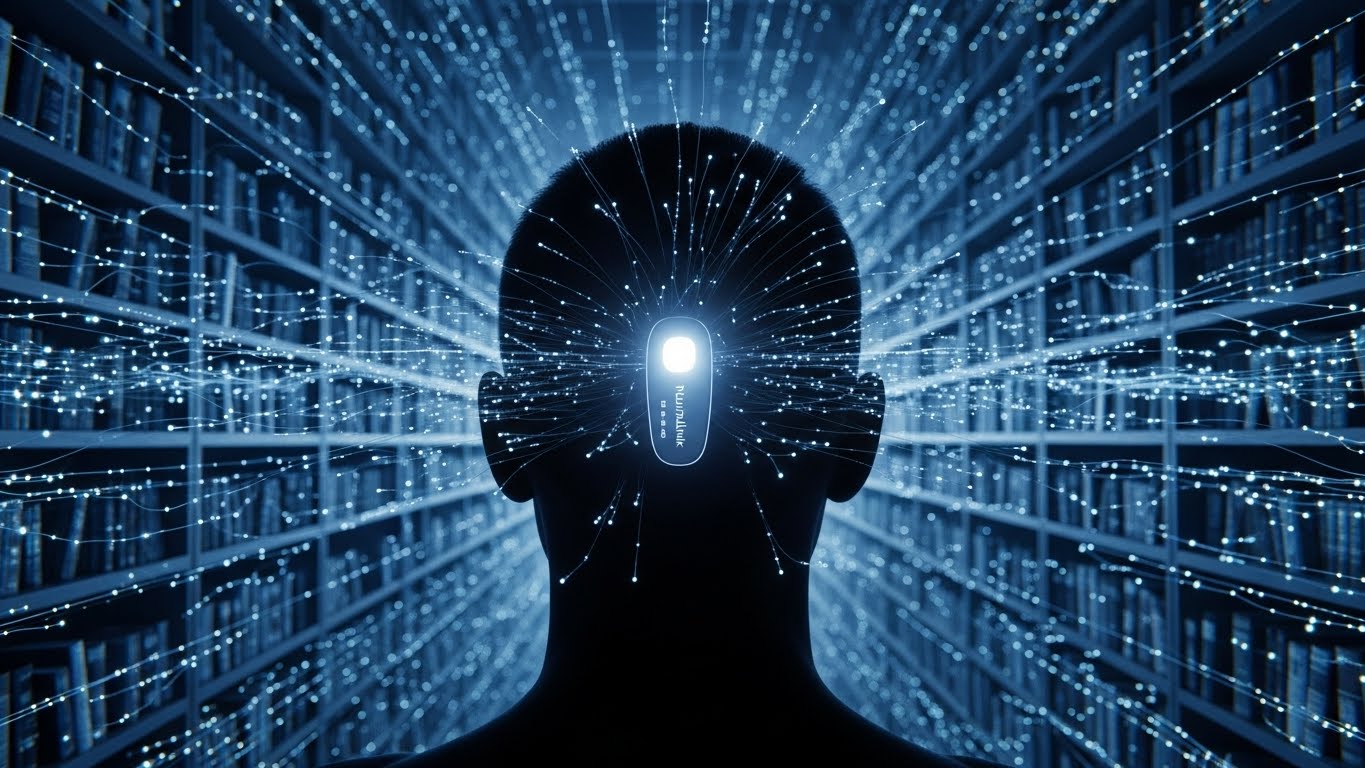
As we merge biology with digital tech, our own minds are also being mapped. Read our analysis on What If Neuralink Allows Us to “Upload” Memories? to see how the line between brain and computer is blurring.
Note: This is a speculative ‘What If’ analysis and not scientific or legal advice. Research into animal linguistics is ongoing and complex; always consult peer-reviewed journals for the latest scientific breakthroughs.